Biological Age — And Why This Matters More Than You Think
Feb 05, 2026
At some point, many high-achieving women notice it. Not a dramatic health crisis. Not a single diagnosis Just a quiet shift. You’re doing “all the right things,” but your energy feels harder to access. Recovery takes longer. Sleep feels lighter. Stress hits deeper. Your body doesn’t bounce back the way it used to. And the narrative you’re often handed is simple—and dismissive:
“Welcome to aging.”
But from a nursing and metabolic health lens, that explanation falls short. Because aging isn’t just about time. It’s about how your body is handling the load placed on it.
Biological Age vs. Chronological Age: The Missing Conversation
Chronological age is the number of years you’ve been alive.
Biological age reflects how your body is actually functioning—at the cellular, metabolic, and nervous system level.
While chronological age measures time, biological age reflects how the body is functioning at a cellular level. In recent years, researchers have refined epigenetic clocks—tools that estimate biological age based on DNA methylation patterns—to better predict healthspan, disease risk, and mortality independent of chronological age.¹
It’s shaped by:
-
Blood sugar regulation
-
Inflammatory burden
-
Sleep and circadian rhythm integrity
-
Hormonal signaling
-
Stress resilience
-
Mitochondrial efficiency
Two women can share the same birthday and have very different biological ages—because their bodies are carrying very different internal loads.

RN Insight: Biological Age Reflects Metabolic Load, Not Willpower
From a clinical standpoint, accelerated biological aging often shows up subtly before it ever becomes a diagnosis.
Things like:
-
Persistent fatigue despite “healthy habits”
-
Brain fog that comes and goes
-
Slower recovery from workouts or illness
-
Increasing sensitivity to stress
-
Hormone symptoms that feel disproportionate to your age
These aren’t personal failures. They’re signals. Your body is compensating—working harder behind the scenes to maintain balance. And over time, that compensation ages your cells faster.
Inflammation & Biological Age: How Chronic Inflammation Drives Aging
Low-grade, chronic inflammation is one of the strongest drivers of biological aging—and it often flies under the radar.
Chronic, low-grade inflammation—often driven by stress, metabolic dysfunction, and poor recovery—has been shown to accelerate biological aging. Elevated inflammatory markers such as CRP and IL-6 are now understood as contributors to faster cellular aging rather than inevitable consequences of getting older.²
In practice, it’s commonly linked to:
-
Blood sugar instability
-
Chronic stress and nervous system dysregulation
-
Poor sleep quality
-
Gut and immune strain
-
Hormonal shifts during midlife
Inflammation doesn’t always feel dramatic. It often feels like “I’m just tired… and I don’t know why.” But biologically, it increases cellular wear and tear—and shortens your healthspan if left unaddressed.
Mitochondrial Health & Biological Age: Energy Engines of Aging
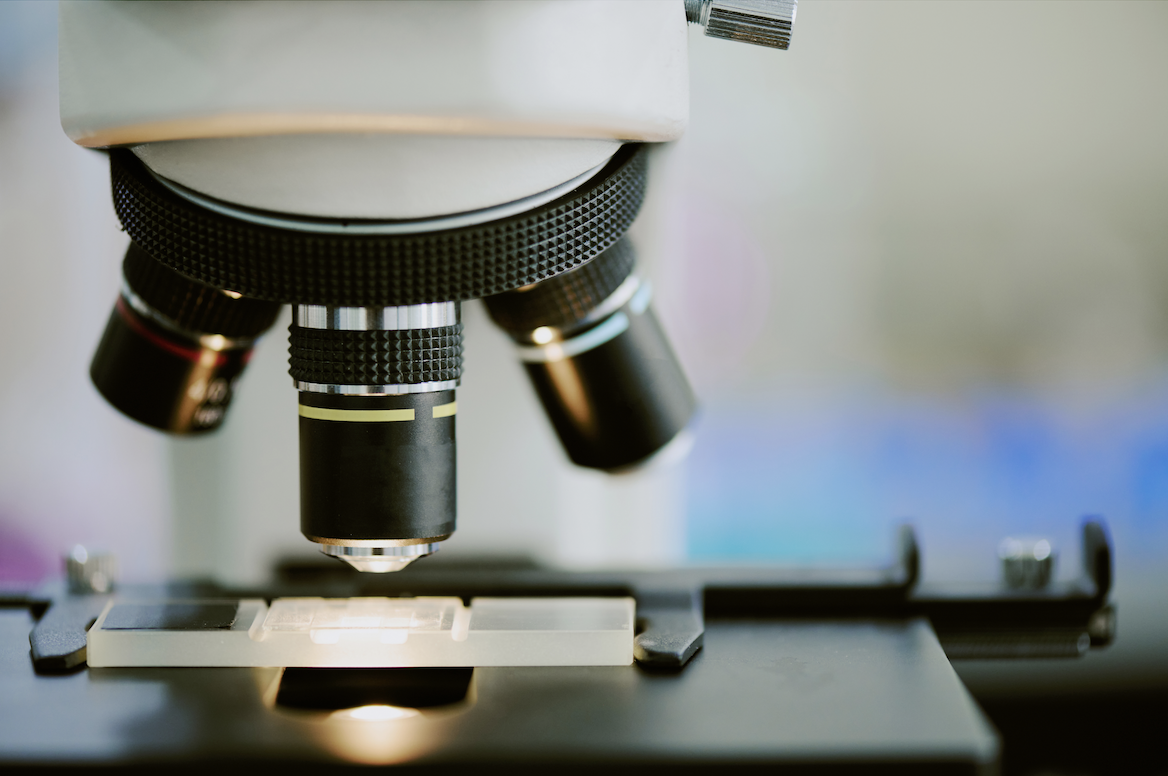
Your mitochondria—your cells’ energy engines—play a central role in biological age.
When they’re supported:
-
Energy production improves
-
Insulin sensitivity increases
-
Recovery speeds up
-
Stress tolerance expands
When they’re strained, aging accelerates—regardless of how disciplined you are. This is why burnout recovery and metabolic health are not separate conversations from longevity. They are foundational anti-aging strategies.
The Empowering Truth: Biological Age Is Modifiable
Here’s the part that changes everything:
Biological age is not fixed.
It can improve when you:
-
Stabilize blood sugar
-
Reduce inflammatory load
-
Restore sleep and circadian rhythm
-
Calm the nervous system
-
Train with intention—not punishment
-
Support hormones through life transitions
This is why I don’t teach hustle-based health.
I teach metabolic resilience.

A Final RN Perspective
What many women interpret as “getting older” is often the body asking for a different approach.
Not more discipline.
Not more restriction.
Not more pressure.
But smarter recovery.
Better metabolic support.
And strategies that respect both physiology and real life.
Because aging isn’t just about time. It’s about load—and how well your body is supported to carry it.
A Simple Biological Age Check-In
(No judgment. Just awareness.)
Take a moment and ask yourself:
-
Do I wake up feeling restored—or already behind?
-
Does my energy stay steady throughout the day, or spike and crash?
-
How well do I recover—from workouts, stress, or a long week?
-
Has my tolerance for stress changed over the last few years?
-
Does my body feel resilient… or constantly compensating?
If several of these gave you pause, it doesn’t mean something is “wrong.” It means your body may be carrying more metabolic and physiological load than it can comfortably sustain. And that awareness is the first step toward change.
Because biological age isn’t a verdict—it’s feedback. And feedback, when listened to early, is incredibly powerful.
Not Sure If This Is “Just Aging” or Something More?
If parts of this resonated but you’re not sure what’s normal versus metabolic strain, start here.
FREE Burnout Reality Check™ eBook
A short, nurse-designed guide to help you understand:
-
Why burnout isn’t just about stress
-
How inflammation and metabolic load influence energy
-
What early shifts in biological aging can look like
-
Where to begin supporting your body differently
No overwhelm.
Just clarity.
➡️ Download your FREE Burnout Reality Check™
Ready to Understand What Your Body Is Asking For?
Your energy patterns and recovery capacity are not random — they’re feedback your biology is trying to communicate. If you’re tired of being told everything looks “fine” while your body says otherwise, this is where metabolic resilience work begins.
Together, we map your stress load, metabolic patterns, and recovery needs—using RN-informed, root-cause strategies that fit the life you’re actually living.
➡️ Schedule your Free Discovery Call
Let’s build a plan that supports your biology—not fights it.
References
- Lu, A. T. et al. (2019). DNA methylation GrimAge strongly predicts lifespan and healthspan. Aging, 11(2), 303–327. https://doi.org/10.18632/aging.101684
- Furman, D. et al. (2019). Chronic inflammation in the etiology of disease across the life span. Nature medicine, 25(12), 1822–1832. https://doi.org/10.1038/s41591-019-0675-0
FAQ's:
1. What is biological age?
Biological age reflects how your body is functioning at a cellular and metabolic level—rather than how many years you’ve lived. It’s shaped by factors like blood sugar regulation, inflammation, stress load, sleep quality, hormonal balance, and cellular energy production.
In short, biological age is less about time and more about how well your body adapts to the demands placed on it.
2. Can biological age change?
Yes—and this is one of the most empowering truths about aging.
Unlike chronological age, biological age is dynamic. Research shows it can improve when key systems are supported: stabilizing blood sugar, reducing chronic inflammation, improving sleep and recovery, regulating the nervous system, and supporting metabolic health.
Aging isn’t something that simply happens to you—it’s something your biology responds to.
2. How does inflammation affect aging?
Chronic, low-grade inflammation acts as a quiet accelerator of biological aging. Over time, it increases cellular stress, disrupts metabolic signaling, and places added strain on energy-producing systems like the mitochondria.
When inflammation remains elevated—often due to chronic stress, poor recovery, or metabolic strain—the body has to work harder to maintain balance, which can speed up biological aging even when someone appears healthy on the surface.
Ready to Reset?
🎁 Grab your FREE RN-Approved Self-Care Checklist
Start your resilience journey with 6 daily shifts to help you reset your energy and metabolism—RN style.
Stay connected with news and updates!
Join our mailing list to receive the latest news and updates from our team.
Don't worry, your information will not be shared.
We hate SPAM. We will never sell your information, for any reason.
Meet the Author